Institute for the Danube Region and Central Europe (IDM) Vienna
Project financed by Wacław Felczak Institute (Poland)
Following the 2023 parliamentary elections, Poland has emerged as a key point of reference for countries seeking to understand the process of restoring democratic institutions and the rule of law after a period of significant erosion, including the challenges involved and the means available. Poland’s experience in countering illiberal reforms through democratic processes is drawing considerable attention from civil society, opposition actors, and NGOs in Hungary. The relevance of Poland’s trajectory also extends to other Central European countries, such as Slovakia, which is eager to draw lessons from the Polish case.
The project will create a structured platform for Poland, Hungary, and other Central European countries to share experiences and best practices on how to reverse illiberal reforms through democratic methods. Its main goal is to strengthen democratic institutions and the rule of law in the region. To achieve this, the project will bring together experts, policymakers, civil society representatives, and academics in a dedicated workshop. Based on these discussions, it will produce a policy paper and a final report outlining specific, realistic, and time-bound recommendations. These outputs will focus on practical measures that can be implemented to achieve tangible democratic improvements.
Funding:
Wacław Felczak Institute (Poland)
Duration:
15 October – 31 December 2025
Project manager:
Malwina Talik
Project team:
Malwina Talik, Péter Techet, Julia Mits
Project deliverables:
1.Policy Paper:„Undoing the Illiberal Damage. Lessons from Poland for Hungary“ (November 2025)
2.Report, with a translation into Hungarian and Polish (December 2025)
3. Workshopwith experts from Poland, Hungary, Slovakia and Austria (November 2025)
https://www.idm.at/wp-content/uploads/2025/10/logo-projet.jpg246927Ninon Boutelouphttps://www.idm.at/wp-content/uploads/2022/07/logo3-en.pngNinon Bouteloup2025-10-29 13:53:422026-02-02 11:03:25Undoing the Illiberal Damage: A Democratic Guide to Reversing Democratic Backsliding
The project “Central Europe and Future EU Enlargement” aims to support the integration of EU candidate countries by working with think tanks from across the region to create an active network that can share expertise, stimulate common understanding and develop joint solutions.
The individual accession processes are not only influenced by the ongoing war in Ukraine but are also still shaped by the consequences of the Yugoslav wars. Through dialogue and discourse, regional experts will identify key similarities and differences to ascertain how the candidate countries can learn from each other and establish best practices.
The project is co-financed by the governments of Czechia, Hungary, Poland and Slovakia through Visegrad Grants from the International Visegrad Fund. The mission of the fund is to advance ideas for sustainable regional cooperation in Central Europe.
https://www.idm.at/wp-content/uploads/2024/09/logo.png6301240Darijahttps://www.idm.at/wp-content/uploads/2022/07/logo3-en.pngDarija2024-09-10 08:13:142026-07-03 14:14:35Central Europe and Future EU Enlargement
This EU project aims at engaging with young people on pressing regional issues and regional cooperation. Through social media, communication campaigns, surveys and consultation workshops, the IDM will collect and analyse their views, opinions and suggestions towards the next Cohesion Policy and in particular the future Interreg/territorial cooperation post-2027. Moreover, using the same digital tools, the project will raise awareness among young people about the EU and the various facets of interregional cooperation. Based on the findings, the IDM will develop ten policy recommendations.
Scroll down to see the activities that have been carried out so far!
https://www.idm.at/wp-content/uploads/2024/08/you-r-eu-logo.jpg500500Darijahttps://www.idm.at/wp-content/uploads/2022/07/logo3-en.pngDarija2024-08-22 09:19:272025-10-14 15:40:32You_R_EU: Youth Recommendations for the EU
The project, supported by the Danube Small Project Fund for Culture (DSPF), aims to bring together conservationists and artists with a Danube focus. Strengthening cooperation between them across the borders of the three Danube countries Austria, Hungary and Romania has the potential to combine rationality with emotion. It shows conservationists and artists dealing with the fate of the river and its ecosystems, explains how they use it and how they adapt to climatic and cultural challenges. By strengthening relationships between artistic and scientific activists, the project aims to create a space for mutual inspiration to think beyond the boundaries of their disciplines, methods and countries. The result will be a collection of journalistic portraits in combination with a hybrid photo exhibition, which will be accessible via the website and in the premises of the project partner, the Institute for the Danube Region and Central Europe (IDM).
Project management:
Anita Gócza
Responsible at the IDM:
Dr. Daniela Apaydin (until 02.2023); Melanie Jaindl, MA (since 02.2023)
https://www.idm.at/wp-content/uploads/2022/11/thumbnail-euact2-logo-draft-v2-02.jpg4061280Darijahttps://www.idm.at/wp-content/uploads/2022/07/logo3-en.pngDarija2022-11-14 09:59:102026-07-03 14:16:00Towards Democratic and Inclusive Europe: EP Elections and Active Citizens Participation and Contribution
IDM supported by ERSTE Foundation together with the Albanian Assembly as the beneficiary, seeks to implement the Democracy Workshops in Albania with the goal of establishing them as one of the core civic education programmes of the Albanian Assembly.
The Democracy Workshop programme was originally established by the Austrian Parliament in 2007to familiarize young people with the basics of democracy, parliamentary life and media competence in all its aspects. Based on the Austrian model, the programme will be implemented in Albania. It is designed as four-hour workshops through which primary and secondary school children, with the help of selected expert trainers, can learn how parliamentary democracy works through interactive activities and the creation of a media feature.
The goal of the Democracy Workshop programme is to promote an interest in democratic and political processes as well as to contribute to a better understanding of the principles of democracy and to gain knowledge about the role of the parliament in the democratic structure of a state, the parliamentary processes, and the daily work of MPs. The workshops also strive to illustrate additional key elements for political participation: the willingness, the ability, and the courage to express an opinion and media literacy.
The selected NGO will recruit trainers who will receive the necessary trainings to deliver the workshops. The technical equipment required to conduct the workshops will be provided. In addition, the Administration of the Albanian Assembly will provide administrative support and expertise in conducting the workshops. During the initial implementation phase the project will be realized by the Institute for the Danube Region and Central Europe. This initial implementation phase will be completed by the end of May 2023. Following the completion of this phase, the Administration of the Albanian Assembly intends to continue the programme.
Eligible organisations must meet all the following criteria:
· registered according to Albanian law and in full compliance with all Albanian legal requirements;
· proven experience in recruitment and team management;
· proven experience in project management;
· have team members proficient in the English language for work on a day to day basis;
· previous experience in civic education and/or work with school children will be an asset;
· previous experience with projects in the field of democratisation, governance and human rights will be an asset.
Eligible organisations must submit the following documentation:
· letter of interest;
· CV of the person(s) representing the NGO and the working group in charge of implementing the project;
· CV of the NGO and a short description of working field of respective NGO;
· written report on a good practice (up to two pages);
· copy of the NGO registration (“Ekstrakti më i fundit nga Gjykata e Rrethit Gjyqësor Tiranë”);
· certification from the tax authorities that the NGO has no debts with Albanian fiscal authorities (Vërtetim nga organi tatimor që organizata nuk ka detyrime të pashlyera për sa i përket kontributeve për sigurimet shoqërore, sigurimet shëndetësore dhe tatimet);
· certification from the tax authorities that the NGO is active (Vërtetim nga organi tatimor mbi statusin aktiv të organizatës dhe kopje e dokumentit të regjistrimit në organin tatimor, NIPT);
· copy of the most recent approved statute (Kopje e statutit të organizatës që aplikon; varianti më i fundit);
· yearly budget of the organization and official financial disclosures of the last two years (Buxheti vjetor i organizatës, pasqyrat financiare të dy viteve të fundit me firmën dhe vulën e organizatës sipas formatit të deklaruar në organet tatimore);
· copy of any other documentation (e.g., performance report, certificates, awards, publications) that addresses the qualification requirements as listed above.
NGOs may send their application documents as PDF-files, in English, via e-mail to the Institute for the Danube Region and Central Europe, Robin Gosejohann, r.gosejohann@idm.at by 30 September, 2022 (COB).
A certified translation of official documents is not necessary. Please note: any costs incurred for the application will not be covered.
The applications will be reviewed by a screening committee against the listed requirements. Organisations meeting these requirements will be contacted and notified of further steps.
“From Fictional to Functioning Democracy Developing Concepts and Strategies for an Inclusive and Participatory Europe (FIFUDEM)” Institute for the Danube Region and Central Europe (IDM) in cooperation with Danube Rectors’ Conference (DRC)
EU Project Reference: 611482-EPP-1-2019-1-AT-EPPJMO-SUPPA
EU Grant: 50.000 EUR
Programme: Erasmus+
Key Action: Jean Monnet Activities
Action Type: Jean Monnet Support to Institutions and Associations
The key points of this IDM project are 1) to scrutinize the contexts and causes of illiberal, respectively fictional democracy, 2) to develop concepts and strategies of strengthening liberal, respectively functioning democracy and its functioning political communication as well as active citizenship in an inclusive and participatory EU, and 3) to disseminate the project’s findings through awareness raising activities, events and publications for different targets groups on the local, regional, national, international and EU level. The rationale behind this proposal comes from the worrying erosion tendencies of liberal democracy as well as from the increase of populism, extremism and religious radicalisation in the Danube Region and Central Europe.
All these developments pose challenges to European integration and may be defined as “tribalism”. No matter which form of xenophobia and extremism, if politically or religiously connoted and legitimised, tribalism jeopardises hitherto established European standards of liberal democracy, checks and balances, and the rule of law. Processes of integration are even more challenged by the lack of a European public sphere. At the same time ostracism of critical media and journalists threatens press freedom in many places and forces the national filter of Europe in national media. The main objectives of IDM as a long-year extramural interdisciplinary research institution are therefore to conduct research on European integration and enlargement in its focus region, and disseminating the project’s results through the international IDM publications, events and network as well as through the network of the IDM project partner, the Danube Rectors’ Conference (DRC), including 64 university members. All these various activities aim to affect various segments of the public discourse on the importance of strengthening liberal and functioning democracy and to support active citizenship in an inclusive and participatory European Union.
Timeline: 2019-2022
Democracy Is (No!) Fiction
Developing Concepts and Strategies For an Inclusive and Participatory Europe
Kick-off Event of our Jean Monnet Project “From Fictional to Functioning Democracy Developing Concepts and Strategies for an Inclusive and Participatory Europe” (FIFUDEM)
with a keynote speech by IvanKRASTEV (Permanent Fellow at the Institute for Human Sciences (IWM), Vienna, Chairman of the Centre for Liberal Strategies, Sofia)
Liberal democracy appears to be at risk – both in Europe and abroad. New forms of façade democracies spread in Europe, framed by biased political communication through ideological misinformation, hate speech and tribalism. Authoritarian politicians try to turn Europe into an arena, where metaphorically speaking leaders of tribes are fighting each other by any tools to cement their own positions. As a result, so-called stabilocracies epitomise superficial stability and simulate pluralism and peace. In parallel with the rise of xenophobia, populism and radicalisation, liberal democratic principles such as checks and balances are gradually eroding.
Moreover, the lack of a common public sphere is challenging European integration processes. Decreasing press freedom and increasing mistrust in traditional media pave the way for populists that rely on oligarchic media networks and use the effects of so-called ‘filter bubbles’ and ‘echo chambers’ on social media. Instead of exchanging different opinions in a reflected manner, mostly one-sided, individualized excerpts of the complex social reality find their way to the surface. Biased (social) media thus creates but a mere individual fiction, the façade of a homogeneous world corresponding to the viewers’ perceptions.
As part of the IDM and DRC Jean Monnet Project “From Fictional to Functioning Democracy (FIFUDEM)”, the conference brings up the problem of fictional democracy – a new form of façade democracy that produces illiberal fictions of democracy. It aims at creating new visions for actively committed citizenship in a functioning democracy, embedded in a common and inclusive European Union. In order to achieve this, academics and researchers specialised in EU matters, as well as civil society activists, stakeholders and practitioners and EU representatives are invited to develop strategies of strengthening active and participatory citizenship and functioning political communication methodologies.
Confirmed attendees include amongst others Gerda FÜRICHT-FIEGL (Danube University Krems),Gertraud ILLMEIER (Interkulturelles Zentrum, Vienna),Lukas MANDL (Member of the European Parliament, Brussels), Katarína MATHERNOVÁ (European Commission, Brussels), Hedvig MORVAI (Erste Foundation, Vienna), Toni PAVLOSKI (Deputy Director of the Directorate for the European Union at the Ministry of Foreign Affairs of North Macedonia, Skopje), IvankaPOPOVIC(Rector of the University of Belgrade, President of the Danube Rectors’ Conference), Wojciech PRZYBYLSKI (Editor-in-chief of Visegrad Insight and chairman of Res Publica Foundation in Warsaw), Krisztina ROZGONYI (Assistant Professor at the Department of Communication of the University of Vienna), Martin SELMAYR (Representative of the European Commission in Austria), Mihai Răzvan UNGUREANU (University of Bucharest, former Foreign Minister, former Prime Minister, Romania), Kristina VOKO (Country Director Albania at Balkan Investigative Reporting Network (BIRN), Tirana), Vuk VELEBIT (Political analyst (Talas.rs) & civic activist, Belgrade).
Statements from the kick-off event:
Ivan Krastev
Permanent Fellow at the Institute for Human Sciences (IWM), Vienna, Chairman of the Centre for Liberal Strategies, Sofia
Katarína Mathernová
Deputy Director-General, Directorate-General Neighbourhood and Enlargement Negotiations (DG NEAR), European Commission, Brussels
Toni Pavloski
Deputy Director of the Directorate for the European Union at the Ministry of Foreign Affairs of North Macedonia, Skopje
Gerda Füricht-Fiegl
Deputy head of Department for Knowledge and Communication Management, Director of University course “Political Communication”, Danube University Krems
Wojciech Przybylski
Editor-in-chief of Visegrad Insight and chairman of Res Publica Foundation in Warsaw
Krisztina Rozgonyi
Assistant Professor at the Department of Communication of the University of Vienna
Recently published:
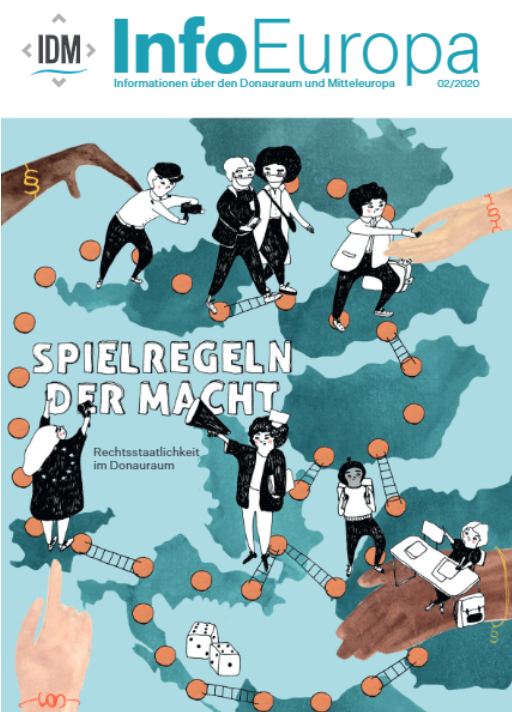
Info Europa 2/2020 “Spielregeln der Macht” as a supplement to “Die Presse” and as ePaper
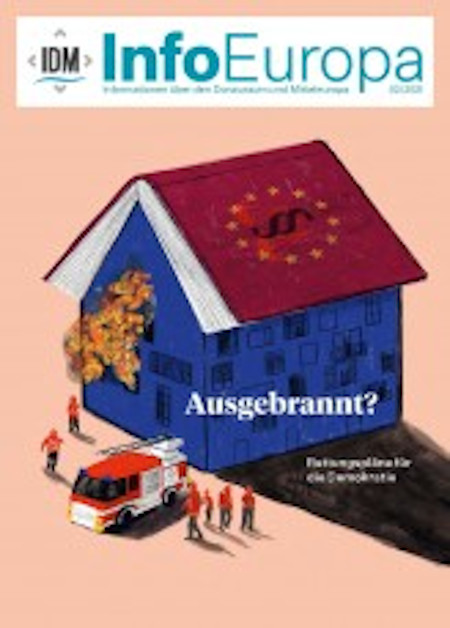
Info Europa 2/2021 “Rettungspläne für die Demokratie”, as a supplement to “Die Presse” and as ePaper (24 June 2021)
Other publications:
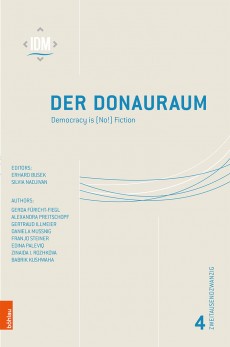
Conference proceedings “Der Donauraum” No 4/2020, published at Böhlau Verlag Wien.
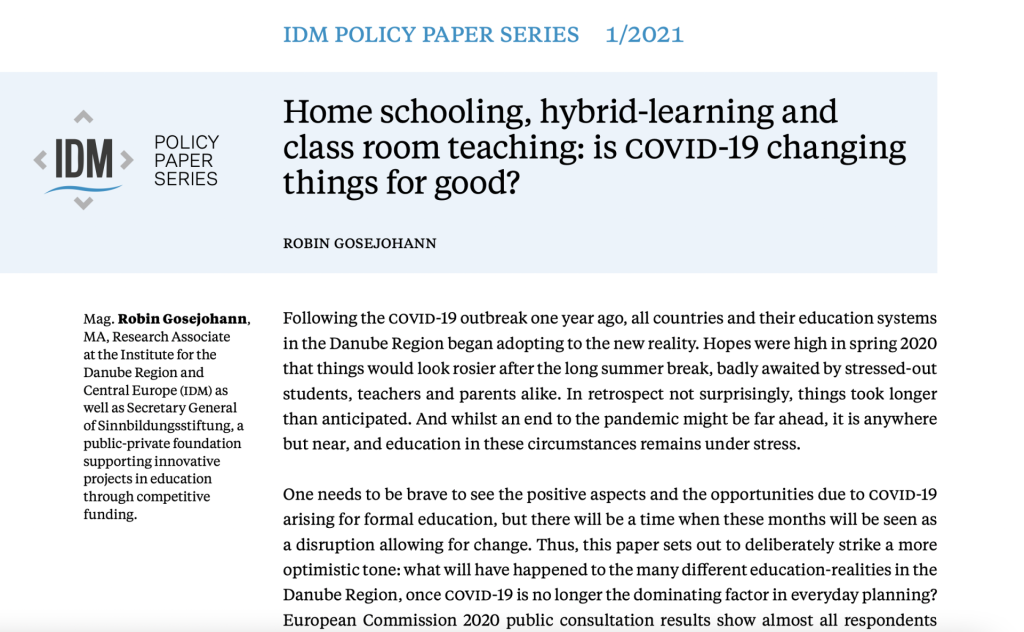
Policy Paper 1/2021: Home schooling, hybrid-learning and class room teaching: is COVID-19 changing things for good?
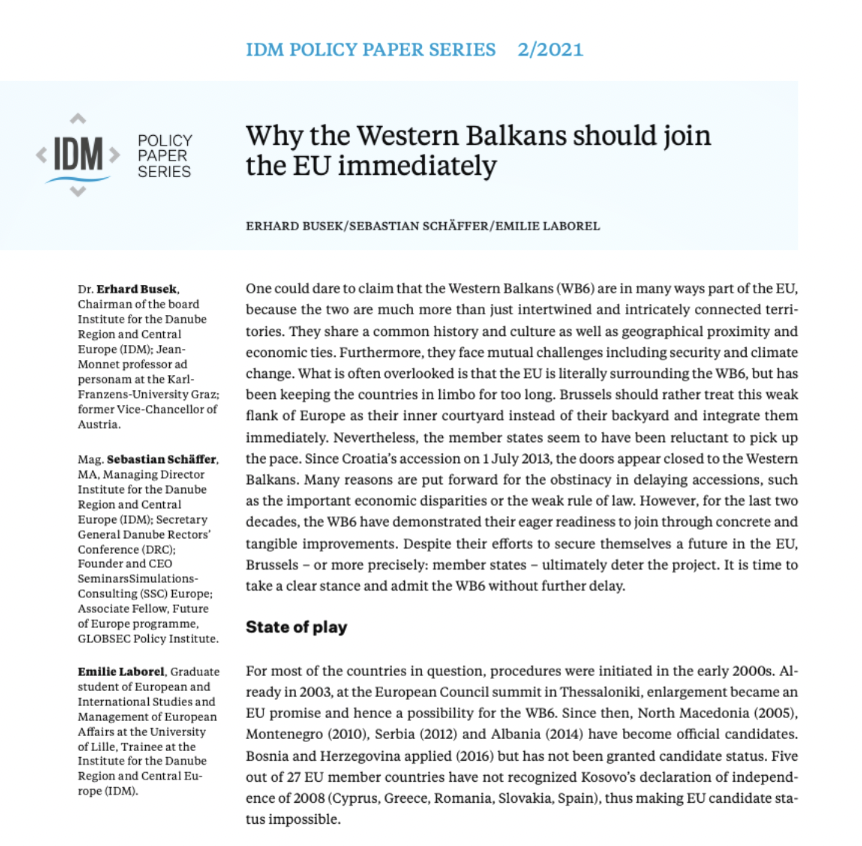
Policy Paper 2/2021: Why the Western Balkans should join the EU immediately
FIFUDEM events:
IDM Democracy Talks/Session 1: “Participation and representation”
IDM Democracy Talks/Session 3: “What about Solidarity in Europe? What about the European idea?” 24 November 2020
IDM Democracy Talks/Session 4: “Tackling nationalism, challenging certainties: Joint history textbooks as magic wands? 30 June 2021
FIFUDEM Final Conference: “Functioning Democracy in the Making”
13 July 2022
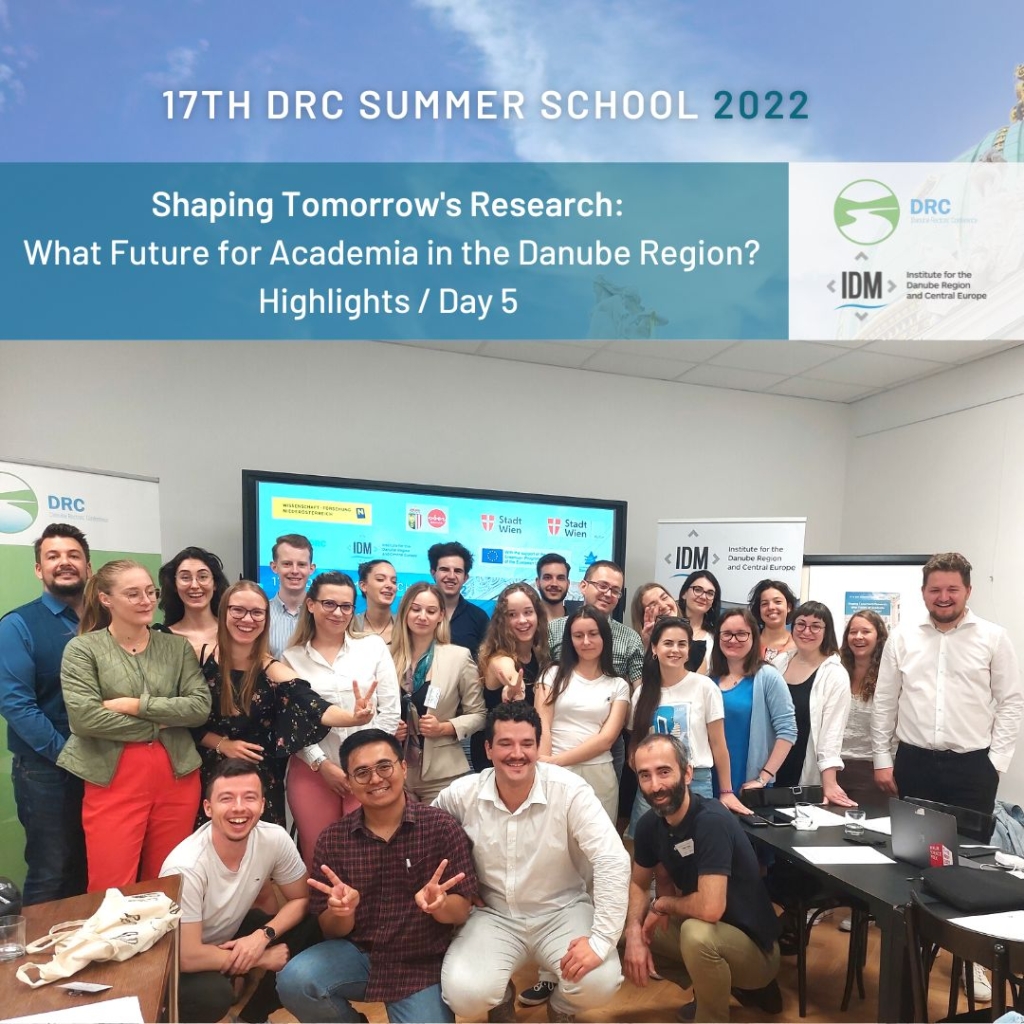
17th DRC Summer School 2022
11-15 July 2022
FIFUDEM Final Report:
You can check out the Final Report here:
https://www.idm.at/wp-content/uploads/2022/02/logo-jean-monnet-with-support.jpg3941920ameisenhaufen_dennishttps://www.idm.at/wp-content/uploads/2022/07/logo3-en.pngameisenhaufen_dennis2022-07-24 08:00:192023-01-13 12:21:49From Fictional to Functioning Democracy Developing Concepts and Strategies for an Inclusive and Participatory Europe (FIFUDEM)
Das vorliegende Projekt setzt sich zum Ziel, eine umfassende Darstellung der gegenwärtigen Lage der Ukraine sowie eine Analyse der Perspektiven für die Zukunft dieses jungen Staates zu präsentieren. Es richtet sich an Interessierte aus Wissenschaft, Wirtschaft und Politik, denen durch die Vielfalt der beteiligten Disziplinen und der breitgefächerten Themenpalette aktuelle Informationen über die Ukraine zur Verfügung gestellt werden.
Die Erkenntnisse sind im Mai 2003 in Form eines umfassenden Handbuches im Böhlau-Verlag erschienen. Zusätzlich werden in der an dieser Stelle präsentierten Website wichtige Hintergrundmaterialien zu den einzelnen Beiträgen des Handbuches (Graphiken und Tabellen, Quellenangaben, etc.) sowie allgemein auf die Ukraine bezogene Daten gesammelt (weiterführende Literatur, einschlägige Institutionen), die laufend aktualisiert werden. Außerdem werden Hinweise auf aktuelle Ukraine-Veranstaltungen in Österreich gegeben. Das Projekt wurde vom Institut für den Donauraum und Mitteleuropa beantragt und von der Österreichischen Nationalbank, der hierfür unser aufrichtiger Dank ausgesprochen sei, finanziert. Frau Prof. Dr. Juliane Besters-Dilger übernahm die wissenschaftliche Leitung, mit der Projektkoordination war Frau Mag. Irma Oswald
https://www.idm.at/wp-content/uploads/2021/11/idm-logo-allein.jpg591591Ninon Boutelouphttps://www.idm.at/wp-content/uploads/2022/07/logo3-en.pngNinon Bouteloup2022-06-20 12:49:062022-06-20 13:02:54Die Ukraine in Europa – Aktuelle Lage, Hintergründe und Perspektiven
Eine Studie über die Einstellungen und Meinungen von Vertretern führender Bevölkerungsgruppen in Bosnien und Herzegowina zur zukünftigen Entwicklung ihres Landes
Projektziel:
Projektträger: IDM – Institut für den Donauraum und Mitteleuropa, Wien; Autoren der Studie: Dr. Alfred C. LUGERT, fmr. Associate Professor of Political Science, University of New Orleans, und Prof. Dr. Werner VARGA, Univ.- Lektor an der Wirschaftsuniversität Wien. Finanziert durch den Jubiläumsfonds der Österreichischen Nationalbank
Teil A. Analysen und Forschungsbericht von Dr. Werner Varga
„Wir haben alle verloren“, so lautet ein Tenor der Befragten. Angesichts dessen scheint das Leben im alten Jugoslawien wie ein verlorenes Paradies – dort gab es, was es heute kaum gibt: Sicherheit – physisch und materiell, Arbeitsplätze und Zukunftsaussichten aufgrund der gesicherten Sozialleistungen, aber auch Reisefreiheit. Dieses „goldene Zeitalter“ ist vorüber. Besonders betroffen sind die Befragten davon, dass Länder, die (in ihrer Entwicklung) deutlich hinter BiH rangierten, jetzt vor dem Land liegen und – wie Rumänien und Bulgarien – nunmehr vor der Aufnahme in die EU stehen, während das eigene Land nicht einmal die Zusage zu Beitrittsverhandlungen erreichen konnte. Ausgangspunkt dieser retrograden Entwicklung bildete die Politik Milosevics, mit ihrer anti-demokratischen, nicht marktwirtschaftlichen Ausrichtung, die den Ansatz, eine Konföderation zu bilden, versperrte. Aus der Sicht vieler – meist muslimischer Politiker – ergab sich daraus zwischen 1988 und 1992 ein „window of opportunity“, das es rasch zu nützen galt. Die serbische Seite sah hingegen keine dringende Notwendigkeit zu raschen Veränderungen. Sie hatten „ihr Jugoslawien“. In dieser Zeit kam es wohl auch zu einer Fehleinschätzung auf Seiten der EU. „Es war so, dass die EU uns zu jener Zeit drängte, ein Referendum abzuhalten. Anschließend zeigte sie uns den Rücken.“, sagt einer der muslimischen Zeitzeugen. Damit war die sich bildende junge Demokratie – mit ihren neu entstehenden Parteien –überfordert. Zudem war kurz zuvor die „völlige Gleichberechtigung der Völker im Präsidium von BiH, ohne Rücksicht auf ihre Zahl“ beschlossen worden. Dies ist bis heute eines der theoretisch und praktisch ungelösten Probleme des Landes, die Überschneidungen zwischen dem kollektiven, die Nationalität bewahrenden Rechtsansatz und dem demokratischen, auf den Einzelnen ausgerichteten Bürger-Recht. Im Dayton-Friedensschluss festgeschrieben, blockieren die Vitalen Nationalen Interessen (kollektiver Rechtsansatz) die Entwicklung und Organisation des Staates. Die „monströsen Strukturen des bosnischen Staates“ sind eines der Resultate, das Fehlen eines „bosnischen Bürgers“ ein weiteres. „Ich weiß nicht, von welchem Bürger sie reden“, war eine der Antworten, „vom Bürger Serben, von den Bürgern Kroaten, den Bürgern Bosnijaken-Muslime oder jenen, denen die Nationalität kein Anliegen ist“. Die sog. Internationale Gemeinschaft (IG) sehen die bosnischen Gesprächspartner als ein Problem sui generis. Viel zu häufig, so wird geklagt, werden die Interessen der einzelnen Länder vertreten, die einander entgegengesetzt oder zumindest nicht kompatibel sind. Im Rechtssystem z.B. wollen die USA anglo-sächsisches Recht angewendet sehen, die Europäer das kontinentale Rechtssystem. Während die USA die Gesamtheit der Medien privat sehen wollen, passen den Europäern öffentlich-rechtliche Rundfunkanstalten durchaus ins Konzept. Zwar wird generell anerkannt, dass das Office des High Representative notwendig war, aber nicht alle sind der Meinung, dass es noch immer notwendig ist. Die Machtfülle des OHR ist insofern ein Ärgernis, als der HR sie nicht entschieden einsetzt. Dazu kommt, dass diese „Machtfülle“ (Bonn-Powers) nicht das Produkt eines konsistenten Plans, sondern ein Stückwerk einzelner ad hoc Entscheidungen ist. So hat das OHR den Friedensvertrag als „Dayton proper“ mit Klauen und Zähnen geschützt, und jene aus ihren Ämtern entfernt, die dagegen opponierten. Heute wird „Dayton proper“ vom OHR nicht nur nicht verteidigt, sondern die Beachtung der „Europäischen Werte“ erwartet. Aber gerade die Werteübereinstimmung innerhalb der sog. Internationalen Gemeinschaft ist oft nicht gegeben. Generell ist festzustellen, dass das OHR außerhalb jeglichen Rechtrahmens agiert – seine Entscheidungen nicht transparent sind, und er durch den „Sintra Peace Implementation Council (PIC) zu wenig kontrolliert wird. (Ein Land zur Demokratie zu führen ist kein Halbtags-JOB!). Wir sind nicht AFRIKA! Dieser Ausspruch eines Interviewpartners steht für ein weiteres Dilemma der IG: der Qualität und dem Auftreten ihrer, meist jungen, Repräsentanten. Die Klage wird darüber geführt (neben der Arroganz der Jugend im Auftreten), dass häufig junge Theoretiker, Universitätsabgänger lediglich mit Lehrbuchwissen sendet, während man Praktiker benötigen würde, das theoretische Wissen sei vorhanden, „wir sind ja nicht in …..“ Ein Neustart BiHs bedarf der Versöhnung – davon zeigen sich viele überzeugt. Doch Verbrechen und Verbrecher müssen bestraft werden. Es waren nicht „die …“Serben“, „die Kroaten“ die Muslime“, sondern Einzelne. Gefordert wird eine „objektive Wahrheit“. Was ist Propaganda, was Wahrheit – dies ist vielen nicht klar. Darüber hinaus benötigt der „Bosnier“ eine verbesserte Kommunikation zwischen den Nationalitäten..
Teil B. Analysen und Forschungsbericht von Dr. Alfred C. Lugert
BIH und die nationale Frage: Ein zukunftsorientierter Lösungsansatz der nationalen Frage und der Reduktion eines antagonistischen Nationalismus, wird – abgesehen von der grundlegenden Verbesserung der wirtschaftlichen Lage – auch in der Verbesserung der unsicheren emotionalen Befindlichkeit der Befragten in ihrer eigenen Volksgruppe, sowie in der wechselseitigen Respektierung der Volksgruppen und ihrer Kultur und unterschiedlichen Bezeichnung der Landessprache(n) gesehen.
Beziehungen zu den Nachbarstaaten: Eigenpositionierungen und positive und negative Einstellungen zu den Nachbarländern Kroatien und Serbien (SCG) zeigen deutliche nationale Differenzierungen, sowie auch eine – trotz aller mentalen Vorbehalte vorhandene – Identifikation mit dem staatlich definierten Territorium BIH. Die Zukunft von BIH wird auch im hohen Maße in der Abhängigkeit von der politischen, sozialen und wirtschaftlichen Entwicklung in Serbien und in Kroatien (auch hinsichtlich EU, Kosovo, Montenegro etc.) gesehen. Mediensituation: Die Mediensituation wird meistens negativ gesehen. Den Medien in Bosnien und Herzegowina wird ein sehr grosser nationaler bis nationalistischer Einfluss auf die Bevölkerung zugesprochen; besonders wird aber auch zwischen den politischen Entscheidungsträgern und den Medien ein besorgniserregender starker wechselseitiger Einfluss gesehen. Ein Übergang vom früheren Mediensystem in Ex-Jugoslawien ist – wie in anderen gesellschaftliche Bereichen – in seiner ganzen Dimension schwer zu verarbeiten. BIH Regierungen, Politiker und politische Parteien: Die Beurteilung der verschiedenen Regierungen für die Zukunft des Landes fällt insgesamt schlecht aus. Die negativsten Stellungnahmen und Bewertungen erhielt die Regierung des Gesamtstaates von BIH. An zweiter negativer Stelle folgen die Regierungen der beiden Entitäten. Kantonsregierungen, die es nur in der Föderation von Bosnien und Herzegowina gibt, werden etwas besser beurteilt. Mehrheitlich positiv hingegen ist die Beurteilung der Bezirksverwaltungen. Den Politikern und den Parteien wird die Fähigkeit das Land in eine bessere Zukunft zu führen in den allermeisten Fällen abgesprochen. Nicht die internationale Gemeinschaft sollte die Hauptverantwortung für die Zukunft des Landes haben, sondern die Bürger des Landes selbst.
BIH und die Internationale Gemeinschaft:
Die überwiegende Mehrheit meint, dass die Ausländer die Probleme von BIH nicht verstehen. Die Leistung der Internationalen Gemeinschaft zur Lösung der Probleme in Bosnien und Herzegowina wird sehr differenziert, positiv und negativ, beurteilt. Oft wird die Meinung ausgesprochen, dass ein tatkräftiges Eingreifen der Internationalen Gemeinschaft den Krieg hätte verhindern können. Hier wird besonders die EU (resp. EG) sehr kritisiert. Die USA konnte mit ‚Dayton‘ den Krieg stoppen, ohne aber eine wirklich weiterführende Konzeption für Bosnien und Herzegowina zu erreichen. Die führend genannten Länder bei ihrer politischen Unterstützung und Hilfeleistung sind der Reihe ihrer Häufigkeit nach: An erster Stelle die USA, gefolgt von Österreich, EU-Staaten generell, Deutschland, Grossbritannien und Frankreich. Insgesamt findet man die Befürworter einer hauptsächlich europäischen Anbindung für die Zukunft – sowie die Befürworter einer gemischten Europa + USA Anbindung von Bosnien und Herzegowina – zu ungefähr gleich großen Teilen. Die zukünftige politische Organisation und Struktur von BIH: Bosnien und Herzegowina als akzeptierter ‚eigener‘ Staat wird in Frage gestellt. Nur ein geringer Teil der Befragten – meist sind es nur bosnische Serben – sind mit der derzeitigen. von ‚Dayton‘ vereinbarten politischen Organisation und Struktur des Landes in Form von zwei Entitäten halbwegs zufrieden. Am häufigsten genannt wird die Änderung der gegenwärtigen innerstaatlichen Struktur zu Gunsten einer ‚Regionallösung‘ durch Schaffung mehrerer – meist 5 – Regionen, die entweder ethnisch-nationale Mehrheiten beinhalten, oder aber nach rein ökonomischen und historisch-geographischen Gesichtspunkten zu bestimmen sind. Bildung und Schulen: Das Schulsystem ist eines der sozialen Felder, die eine sehr hohe Priorität in der Aufmerksamkeit und Besorgnis der Befragten einnimmt. Rund die Hälfte der Befragten sind mit dem Schulsystem unzufrieden. Der Wunsch die nationale Frage zu lösen, der Wunsch nach Erreichung der innerstaatlichen Toleranz – auch bei Trennung der Schulsysteme – sowie der Wunsch nach international anerkannter Qualität zum Wohle der jungen Menschen, wird deutlich. Die Versuche der Internationalen Gemeinschaft – und hier vor allem der OSZE – werden meist sehr negativ-kritisch beurteilt.
Projektleitung: Univ. -Prof. Dr. Ingfrid Schütz-Müller, Universität Wien
https://www.idm.at/wp-content/uploads/2021/11/idm-logo-allein.jpg591591Ninon Boutelouphttps://www.idm.at/wp-content/uploads/2022/07/logo3-en.pngNinon Bouteloup2022-06-20 12:46:552022-06-20 13:03:12Die Zukunft von Bosnien und Herzegowina? Aus der Sicht der betroffenen Eliten