Zwischen Gesetz und Realität: Ukrainische Rechtstraditionen verstehen

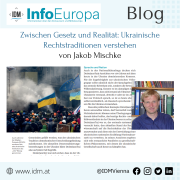
Der Osteuropa-Experte Jakob Mischke beschäftigt sich in seinem Dissertationsprojekt mit der Rechtskultur in der Ukraine und erforscht ihre Anfänge. In seinem Gastbeitrag erklärt er, warum es wichtig ist, beim Thema Rechtsstaatlichkeit die lokalen Traditionen zu bedenken.
Wenn man sich mit der Rechtskultur der Ukraine näher befasst, fällt auf, wie häufig Gesetze ignoriert, umgedeutet oder umgangen werden, ohne dass den Beteiligten Konsequenzen drohen. Für Fragen der tatsächlichen Rechtsanwendung interessierte sich bereits Anfang des 20. Jahrhunderts auch Stanislaw Dnistrjans’kyj (1870–1935). Der aus Galizien stammende Privatrechtsprofessor unterrichtete an der 1921 im Wiener Exil gegründeten und später nach Prag verlegten »Ukrainischen Freien Universität«.
Das Recht ist lebendig
Der Rechtsgelehrte war überzeugt, dass Recht nicht durch staatliche Gesetzgebung, sondern durch seine Anwendung im Alltag sozialer Verbände entsteht und weiterentwickelt wird. Sein Ansatz war mit dem des Czernowitzer Professors Eugen Ehrlich verwandt, der zu einem der Mitbegründer der Rechtssoziologie wurde. Ehrlich ging von der Beobachtung aus, dass in einzelnen Gemeinschaften vom Staat unabhängige Rechtsregeln entwickelt und gepflegt wurden – das sogenannte lebende Recht. Dnistrjans’kyjs Forderung lautete, dass der Staat bei Gesetzgebung und Rechtsprechung Rücksicht auf diese lokale soziale Wirklichkeit nehmen müsse. Eine zentralisierte Gesetzgebung hielt er für ineffizient, selbst wenn sie durch Parlamente erfolgt. Und das obwohl, oder gerade, weil Dnistrjans’kyj selbst zwei Legislaturperioden im Abgeordnetenhaus des Wiener Reichsrates gesessen hatte und eine Reform des Allgemeinen Bürgerlichen Gesetzbuches (ABGB) anstrebte. Auch RichterInnen sollten bei ihrer Urteilsfindung die lokalen Rechtstraditionen beachten und gegebenenfalls Gesetze, die mit der Realität vor Ort nicht vereinbar waren, außer Acht lassen.
Der Wille des Volkes
Diese Gedanken liegen auch einem Verfassungsentwurf Dnistrjans’kyjs für die Westukrainische Volksrepublik zugrunde, ein Staat, der am Ende des Ersten Weltkriegs kurzzeitig in Ostgalizien existierte, bevor das Territorium vom wiedererstandenen Polen besetzt wurde. Der Entwurf sollte ausdrücklich auf ukrainische politische Traditionen aufbauen, um Rückhalt in der Bevölkerung zu gewinnen. Eine zentrale Eigenschaft dieser Verfassung war das Subsidiaritätsprinzip. Demnach sollen Entscheidungen möglichst in kleinen lokalen Gemeinden gefällt werden, was der ukrainischen Tradition demokratischer Entscheidungsfindung nahekomme. Die aktuellen Dezentralisierungsbestrebungen in der Ukraine hätte Dnistrjans’kyj also auf jeden Fall begrüßt.
Dnistrjans’kyj war sich sicher, dass in der Ukraine nur eine demokratische Staatsform Erfolg haben würde, auch wenn seine Demokratievorstellungen von den heutigen abweichen. Als wesenhaft für die Demokratie sah er nicht Verfahren oder Checks and Balances an. Vielmehr war es ihm wichtig, dass gefällte Entscheidungen mit dem allgemeinen Willen des Volkes im Sinne Rousseaus übereinstimmten. Als älteste Institution ukrainischer Demokratie nannte er das so genannte viče, eine Volksversammlung, die es schon in der mittelalterlichen Kyïver Rus’ gab, aber auch bei den Kosaken Anwendung fand. Diese Volksversammlung lässt einen Anführer dabei so lange gewähren, wie das Volk mit seiner Regierungsführung zufrieden ist. Andernfalls wird der Anführer kurzerhand durch einen neuen ersetzt. Die Parallelen zu politischen Ereignissen der letzten Jahrzehnte sind deutlich, zeigen aber auch, dass eine solche Demokratie Instabilität bedeutet und dass die Grenzen hin zur Diktatur offen sind. In seinem Verfassungsentwurf setzt Dnistrjans’kyj wohl deswegen dann doch auf ein Parlament als primären Gesetzgeber, räumte aber der direkten Demokratie Raum in Form von Referenden ein.
Sprache und Nation
Auch in der Nationalitätenfrage decken sich Dnistrjans’kyjs Ansichten vor 100 Jahren mit dem heute in der Ukraine dominierenden Konsens. Für die Zugehörigkeit zur ukrainischen Volksgruppe sollte nämlich nicht der Sprachgebrauch das zentrale Kriterium sein, sondern die bewusste Willensäußerung. Konnte es im damaligen Lemberg passieren, dass sich jemand als Ukrainer oder Ukrainerin verstand, obwohl er oder sie im Alltag fast nur Polnisch sprach, so ist es heute ebenso selbstverständlich, als Russisch sprechende Person für die Ukraine einzustehen.
Dass alle politischen Konzepte Dnistrjans’kyjs heute anwendbar wären, darf bezweifelt werden. Nichtsdestotrotz können seine Überlegungen von damals dabei helfen, das heutige Rechts- und Politikverständnis in der Ukraine besser zu erfassen. Dnistrjans’kyj war es, der erstmals systematisch versucht hatte, den aktuellen Stand der Rechtswissenschaft auf die Rechtskultur der Ukraine anzuwenden und diese mit der Entwicklung einer ukrainischen nationalen Erzählung (Nationalnarrativ) zu verweben. In seinen Ansichten ergeben sich teils erstaunliche Parallelen zu gesellschaftlichen Phänomenen, mit denen die ukrainische Gesellschaft auch heute zu kämpfen hat.
Jakob Mischke studierte Osteuropastudien und Volkswirtschaftslehre an der Freien Universität Berlin und arbeitete danach als Koordinator eines deutsch-ukrainischen Studiengangs an der Nationalen Universität der Kyïver Mohyla-Akademie. Gegenwärtig verfasst er am Institut für Osteuropäische Geschichte der Universität Wien eine Dissertation zur Rechtswissenschaftlichen Fakultät der Ukrainischen Freien Universität in der Zwischenkriegszeit.