


Wie kam es zu Ihrem politischen Engagement, Herr Minář?
Ich habe Philosophie, tschechische Sprache und evangelische Theologie studiert und war eigentlich ein ganz normaler Universitätsstudent. Dies änderte sich jedoch nach den Parlamentswahlen 2017 als einige FreundInnen und ich eine Petition zum Rücktritt des damals neuen tschechischen Ministerpräsidenten Andrej Babiš stellten. Zu meiner Überraschung stieß das Engagement auf große Resonanz. Unsere Petition erhielt hunderttausende Unterschriften. Über Nacht waren wir die berühmteste und einflussreichste Protestgruppe in der Tschechischen Republik – mit großem Einfluss und daher auch mit großer Verantwortung. Da sich die Situation in Tschechien weiter verschlechterte, wuchs die Bedeutung unserer Aktivitäten und es ging so weit, dass wir bei zwei Demonstrationen in Prag die Letná-Ebene füllten, den größten öffentlichen Platz in Tschechien.
Die Proteste führten nicht zum Rücktritt des Ministerpräsidenten. Im Dezember 2020 gründeten Sie dafür die politische Bewegung Lidé PRO. Mit welchem Ziel?
Ich habe immer gesagt, dass die Aktivitäten der Zivilgesellschaft und die Proteste etwas absolut Notwendiges sind. Sie müssen ihren Platz finden, denn wenn eine gewisse Veränderung stattfinden soll, muss sie von der aktiven Zivilgesellschaft ausgehen. Gleichzeitig stellte sich jedoch heraus, dass dies allein nicht ausreicht, da alles letztendlich auf der politischen Ebene entschieden wird. Was echte Veränderungen betrifft, so braucht es einen Wahlerfolg. Also versuchte ich, mit vielen anderen Menschen zusammen, eine politische Bewegung aufzubauen. Wir haben unsere Kandidatur jedoch davon abhängig gemacht, dass wir eine ausreichende Anzahl von Unterschriften erhalten, um deutlich zu machen, dass dies eine große Forderung ist und dass wir die politische Landschaft nicht fragmentieren werden. Das hat am Ende nicht geklappt, also haben wir unser Versprechen gehalten und kandidieren nicht.
Eine Wahlkampagne lebt vom direkten Kontakt zu den Menschen. Hat auch die Pandemie dazu beigetragen, dass es mit der Kandidatur nicht geklappt hat?
Ja, die Kampagne, die wir entwickelt haben, wäre unter normalen Umständen wahrscheinlich nicht so unrealistisch gewesen. Wir hatten geplant durch die Republik zu fahren und große Treffen mit Leuten auf den Plätzen abzuhalten. Es stellte sich als meine Stärke heraus, in direkten Kontakt mit Menschen einzutreten. Leider war unsere Kampagne aufgrund von COVID-19 und Lockdown so nicht möglich. Gleichzeitig hatte sich auch die soziale Atmosphäre im Land verändert. Die Leute zogen sich zurück, sie kümmerten sich um ihre eigenen Probleme, sie waren apathisch und müde. Unsere Wahlkampagne wäre nur erfolgreich gewesen, wenn wir eine bestimmte Welle in Bewegung hätten setzen können.
Wie kann man die Menschen für Themen wie Klimawandel, Globalisierung oder Digitalisierung interessieren?
Meiner Meinung nach gibt es mehrere Möglichkeiten. Ich bin in dieser Hinsicht optimistisch. Immer mehr Menschen interessieren sich und übernehmen Verantwortung für diese Angelegenheiten. Ich stelle fest, dass auf lokaler Ebene in verschiedenen Städten eine junge Generation politische Erfahrungen sammelt. Im Laufe der Zeit werden diese Menschen die Politik auch auf nationaler Ebene ändern. Wir merken schon jetzt, dass einige Parteien von unten aufgebaut wurden. Was wirklich wichtig ist, ist die Bildung. Es zeigt sich, dass Menschen diese Dinge erst verstehen müssen, um sich überhaupt dafür zu interessieren. Erst wenn sie verstehen, wie das politische System und die Institutionen funktionieren, können sie wirklich anfangen, etwas zu beeinflussen.
Was muss geschehen, dass sich dieses Interesse auch in der Politik widerspiegelt?
Die vor uns liegenden Herausforderungen sind so groß, dass wir definitiv eine große Demokratisierung der Öffentlichkeit durchlaufen müssen. Die Menschen müssen sich wirklich massiv für die Probleme interessieren und anfangen, Druck auf PolitikerInnen auszuüben bzw. selbst in die Politik einzutreten. Ohne anständige Menschen in der Politik entstehen schwache politische Parteien, in denen jene die Hauptrollen übernehmen, die nicht dienen und helfen, sondern einfach Einfluss, Macht und Geld erlangen wollen. Dann degeneriert natürlich das ganze System. Ich bin in dieser Hinsicht ein milder Optimist. Ich habe das Gefühl, dass sich die Zeiten langsam ändern, und ich hoffe, dass sich dieser Trend fortsetzt. Wir werden tatsächlich eine Renaissance des bürgerschaftlichen Engagements, des bürgerlichen Interesses und der politischen Parteien erleben.
Ihr Rettungsplan für die Demokratie heißt also bürgerliches Engagement?
Die Hauptidee der Bewegung war eigentlich, dass wir, wenn wir die Demokratie retten und wiederherstellen wollen, nicht einen Helden oder ein paar Heldinnen brauchen, die alles opfern, sondern eine große Anzahl gewöhnlicher BürgerInnen, kleine HeldInnen. Es geht darum, Momente für die Demokratie zu finden – mit kleinen Dingen, wie die tägliche Arbeit auf lokaler Ebene, Interesse zeigen, sich ausdrücken, sich weiterbilden, mit Menschen sprechen. In der Summe haben diese kleinen Beiträge dann das Potenzial, die Gesellschaft zu verändern. Ich habe das Gefühl, dass das teilweise gelungen ist, als in Folge der Letná-Demonstrationen Hunderte von Menschen anfingen, sich politischen Parteien anzuschließen, sich freiwillig zu engagieren und in verschiedenen Verbänden aktiv zu werden. Aus einer so aktiven Zivilgesellschaft wächst Demokratie, sie wächst zu politischen Parteien. Ohne diesen starken Boden hätte die Demokratie in Tschechien am Ende nachgelassen. Ich hoffe also, dass sich dieser Trend verstärkt und wir eine Wiederbelebung sehen. Ich glaube, dass sich die Stärke der Zivilgesellschaft gegen die autoritären Kräfte beweisen wird.
Wie wird es konkret mit der Bewegung »Eine Million Augenblicke« weitergehen?
Die Bewegung ist für mich weiterhin eines der wichtigsten Dinge, auch nachdem ich meinen Vorsitz abgegeben habe. Ich finde es wichtig, dass sie nicht an eine Person gebunden ist und ihre Zukunft nicht mit mir steht und fällt. Ich wünsche mir, dass die Bewegung zu einer Art Institution wird, die noch zehn, zwanzig Jahre aktiv die Regierenden kontrollieren wird, um festzustellen, ob sie die Regeln befolgen. Zusätzlich soll sie das bürgerschaftliche Engagement weiter fördern. Ich wünsche mir, dass die Bewegung weiterhin andere Menschen motiviert, bürgerlich und gesellschaftlich aktiv zu werden, wichtige demokratiebezogene Feiertage zu feiern und sich sowohl auf lokaler als auch auf nationaler Ebene zu engagieren.
Was sind Ihre persönlichen Pläne?
Ich glaube nicht, dass ich alles erfüllt habe, weil dieser Aktivismus niemals enden kann. Ich denke, es ist eine kontinuierliche Aufgabe, deshalb würde ich gerne wieder studieren. Gleichzeitig werde ich das Geschehen wohl weiter kommentieren und es wird andere Möglichkeiten geben, Menschen zu motivieren, Verantwortung zu übernehmen und jetzt aktiv zu werden.
(Aus dem Tschechischen übersetzt von D. Martínek)
Daniel Martínek M.A. ist Doktorand an der Westböhmischen Universität in Pilsen (Tschechien) und arbeitet als Wissenschaftlicher Mitarbeiter am Institut für den Donauraum und Mitteleuropa (IDM) in Wien.
Mikuláš Minář (geboren 1993) ist ein Bürgeraktivist. 2018–2020 war er Vorsitzender der Bürgerbewegung »Eine Million Augenblicke«, die er zusammen mit anderen Studierenden gegründet hatte, mit dem Ziel »die demokratische Kultur, das bürgerschaftliche Engagement und die öffentliche Debatte in der Tschechischen Republik zu unterstützen und zu pflegen«. Er war Mitbegründer der politischen Bewegung Lidé PRO, die aber für eine Kandidatur bei den Parlamentswahlen 2021 zu wenig der dafür benötigten Unterschriften erhielt.

Pegasus, eine mächtige Spionagesoftware, wurde in autokratischen Ländern als politische Waffe missbraucht. Jedoch auch manche demokratischen Staaten nahmen Regierungskritikerinnen ins Visier, darunter Ungarn und Polen.
Im Gastbeitrag für den Eastblog – Universität Wien und DER STANDARD erklärt unsere Kollegin Malwina Talik, was die Pegasus-Enthüllungen über den Stand der Demokratie in Polen sagen.
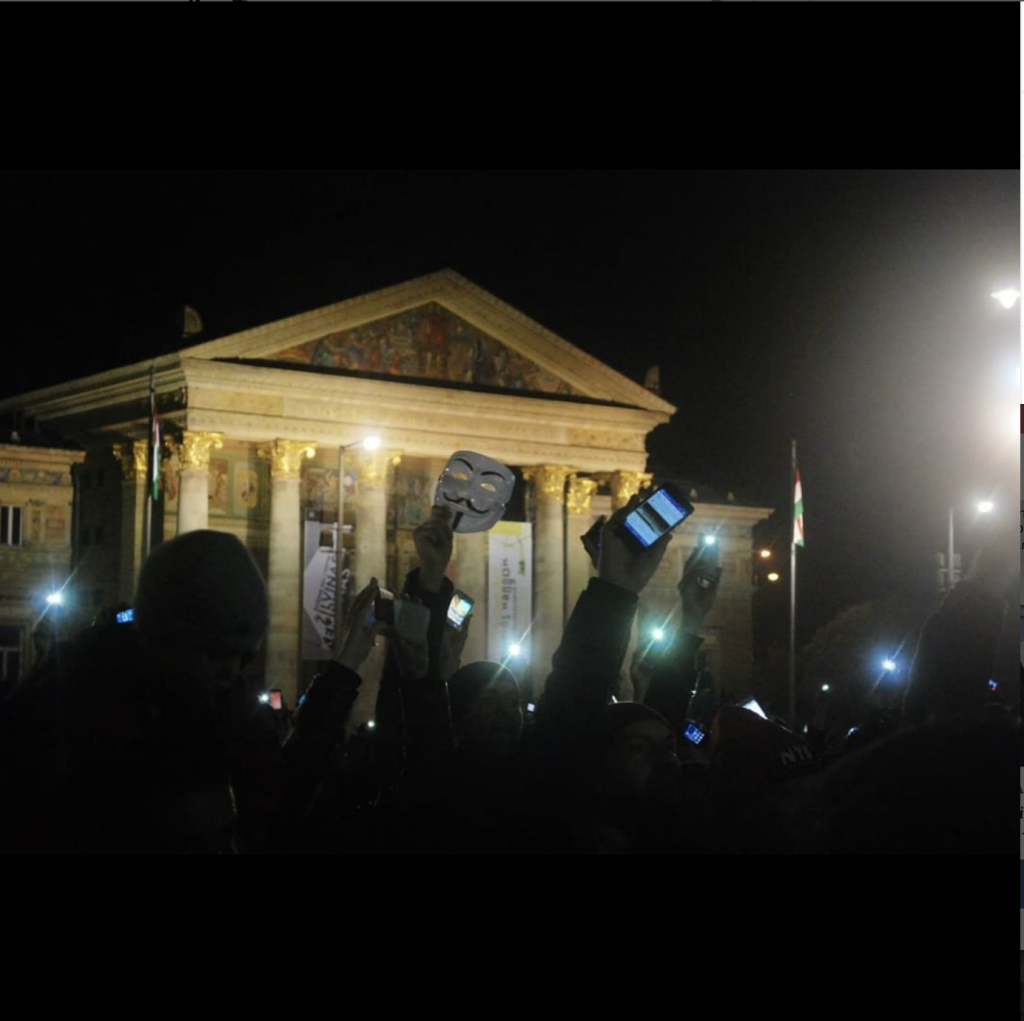

Daniel Martínek analysiert die aktuellen Proteste in Tschechien. Landesweite Demonstrationen setzten 2019 ein klares Signal an die tschechische Regierung von Premier Andrej Babiš (Partei ANO), der eine beispiellose Anhäufung von wirtschaftlicher, medialer und politischer Macht vorgeworfen wird. Hunderttausende DemonstrantInnen fordern den Rücktritt des Premiers sowie ein grundlegendes Umdenken und verstärkte Selbstreflexion der Politik.